
Many Are Called, All Are Chosen
/I love stories. I like to read them, I like to hear them, I like to tell them. Stories help me remember things. Sometimes they’re funny or sad, or sometimes stories just give me new information to think about. They can make me laugh or cry or think or whatever.
Parables are actually just stories. The Book of Matthew is filled with them—maybe 23, 28, it depends on who's counting, because things get just all woven together sometimes. Many are familiar, we've heard them. You know, the Good Shepherd, the field that gets ripened—all of those things. We know them, we've heard them, and we've prayed them.
I never really thought about having a favorite parable until I was privileged to have a last visit with someone whose execution was going to take place in just a few days. A small group of us were invited to his final visit. When the prison guard came in and announced to us that the time for the visit was over in just a few minutes, Michael asked us to do one last thing for him. He said, "Would you each share your favorite parable with me?"
Now, to tell you the truth, nobody had ever asked me to share my favorite parable, never mind somebody that I was visiting in a penitentiary. But we each did. I remember I shared the woman with the lost coin, and there were five or six of us that shared parables. Each time, Michael stopped, and he reflected, just for a brief moment, on what that parable meant to him in these, his final days. Frankly, most people, I think, when they think about people about to be executed, don't have that particular picture in their minds, but it was what happened with Michael.
The parable that we have this Sunday is not one that most of us would pick to share; it's very complex and a bit strange. When you think about a king holding a wedding banquet for his son and sending out invitations—more than one—and nobody wants to come, you wonder about that king, you know? Why would they not want to come to a wedding party? And perhaps to show his true color, he had them all executed, or treated them all harshly, so he probably was snubbed by people who hadn't had a good experience with him before.
And then the king sent out his servants and dragged in just anybody on the streets. "Come on in, we have to fill up the banquet now. You know, this is a party." Well, people came in. I guess they didn't have much of a choice. Then the king looked over at the scene, and he said, "Hey you, you don't have on the proper garment," and threw the guy out.
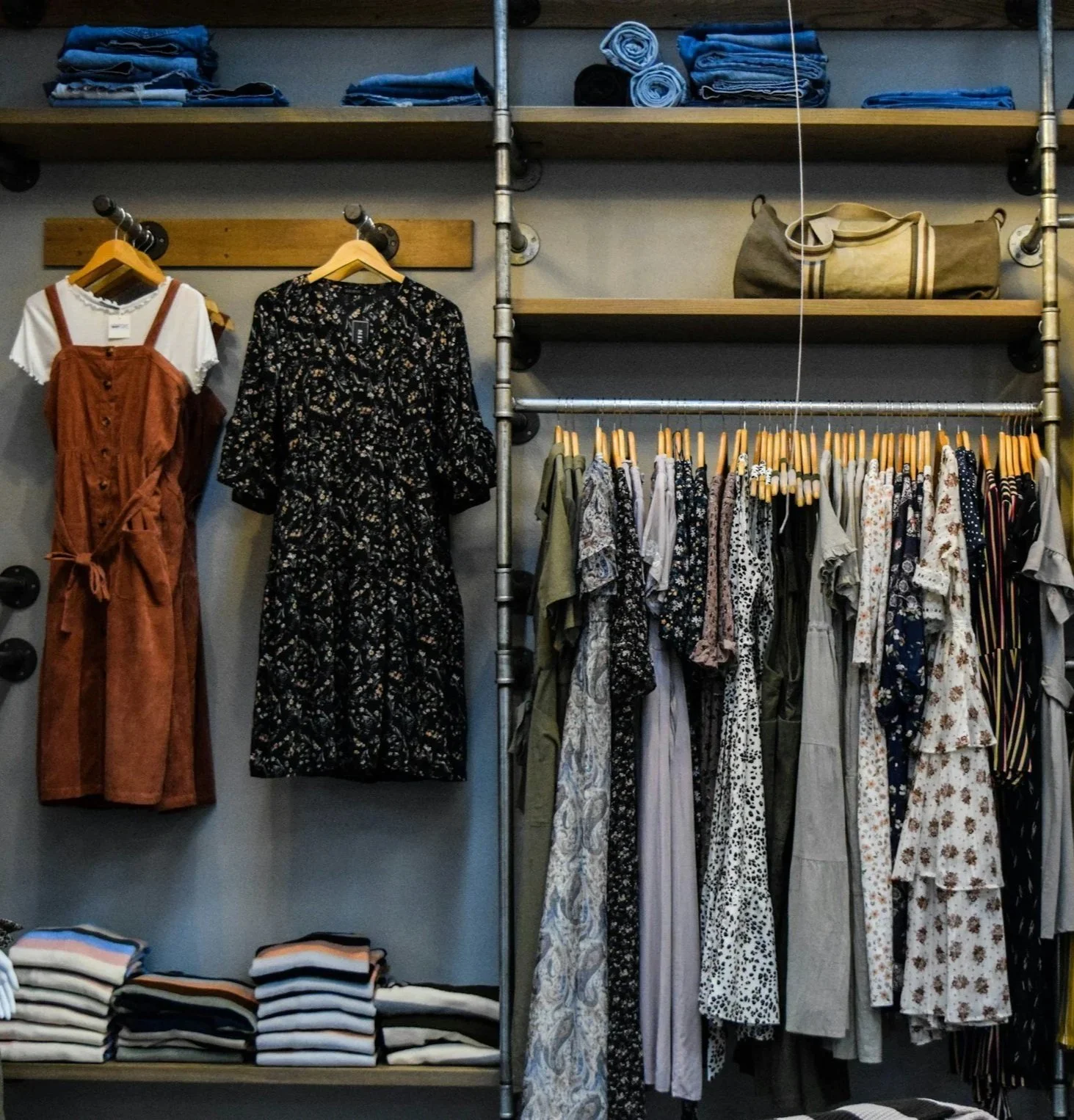
Now, if you're walking down the street, would you have the proper garment on to go to a king's banquet? Quite probably not. We know it's a story, so this didn't actually happen, but it does give us an understanding that maybe it's a good idea to be wearing a proper garment, because that's sometimes expected of us. Not a garment made out of cloth, but think about it: the proper garment that we have so that we can address God's people, so that we can work through God's people, so that we can be a living parable to God's people with God's message of love and care.
This proper garment is different in many ways at different times. Sometimes it may be a garment of compassion. Maybe it's a garment of, not innocence, but acceptance of our own guilt. Maybe it's a garment of being willing to help. We don't know what garments we're going to need to have to wear at different times in our life and with different people.
Michael, facing his imminent execution, chose to put on a garment of reflection, a garment of love. Probably most people wouldn't have expected that he would accept that particular garment, but we all have many invitations, and those invitations demand of us that we put on different garments.
When I left the prison that day, I prayed for Michael and for all prisoners facing similar circumstances. I also wondered what garment I would wear a few days later, as I stood outside the penitentiary in prayerful witness, waiting for Michael’s death and for the hearse carrying his body to pass us. Was there a garment there of repentance? Was there a garment there of a need for reconciliation, a need for acceptance? Was Michael feeling, in his own way, that he needed to be reconciled to an end that was definitely coming? And do we all have to feel about being reconciled to whatever we may have done to have caused a world where violence is possible and where we feel like we need to choose to take another person's life?
Was there an eagerness, perhaps, even in Michael, to have it over with so that he could enter God's eternal love? I didn't feel that outside. I didn't feel an eagerness for it to happen, but at the same time, I could appreciate that possibility. We all get into a point somewhere in our lives when we know our end is coming. Execution should never happen, but it was reality for Michael.
As we gathered in prayer and watched the simple coffin leave the building—visible from outside the penitentiary gate—we were filled with questions. There were invitations, refusals in Michael's life. However, I believe at the end there was a great welcoming of God's love as he did enter into the banquet of God, a banquet that was on another side that would relieve him of pain and sorrow, relieve him of hunger for something better and good in life.
The Gospel passage today ends with the saying, "Many are called and few are chosen." I wonder about that. I have no doubt that many are called, but I actually think everybody's chosen, too. I can't imagine a good God saying, "Okay, you, not you, I don't choose you. You're called to enter right next to the gate of the banquet but now leave."
No. God calls us, and God chooses us for the divine banquet. The gate to the divine banquet is open to everyone. Wedding garments are available to all. Garments of compassion and love and caring are there. God gives them to us; we only need to raise our arms and let God slip them over us so that we are properly garbed to be able to go into the world and show people the true meaning of God's care, to invite others to put on a true garment, also.
We are faithful servants. I am a faithful servant called, not only to enter into God's presence, but to put on and to pass out garments of mercy, peace, justice, hope—to help gather in the poor, the isolated, the rejected, those lost and in need of any kind; to accept the invitation that God has given us. Many are called, few are chosen. No. Many are called, all of us are chosen to bring God's kingdom into our world.

For Reflection:
What “garment” might God be inviting you to put on right now?
Where in your life are you being called to offer compassion, mercy, reconciliation, justice, or hope?
What does it mean to you to believe that you are chosen by God?
by Sr. Alice Gerdeman, CDP
Sr. Alice Gerdeman is a Sister of Divine Providence of Kentucky, educator, justice advocate, and peacemaker. After teaching in elementary schools and at Xavier University, she served for eleven years in her congregation’s Peace and Justice Office and later coordinated Cincinnati’s Intercommunity Justice and Peace Center (now Ignite Peace), bringing people of faith together to work for a more just and peaceful world. Sr. Alice remains active in advocating for peace and nonviolence, immigrant rights, and the abolition of the death penalty. She has led prayer vigils outside Ohio and Kentucky penitentiaries during 53 executions and co-founded Families That Matter, supporting families of people facing execution. Rooted in her belief that every life is sacred, she continues to accompany people affected by violence and incarceration—including many she is proud to call friends.